
Surfing in El Zonte: Waves, Seasons, Surf Spots & What to Know Before You Go
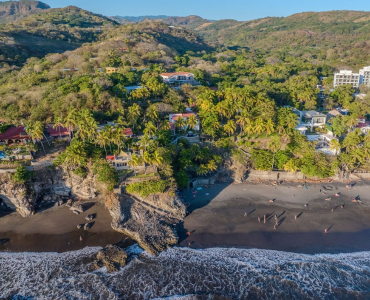
El Zonte is one of El Salvador’s most established surf destinations, located at kilometer 53 on the Pacific coast. The town has several surf sections around the river, including the main right-hand point, a left near the river mouth, and a faster beach-break section.
The main point is the wave most experienced surfers come for, but El Zonte is not only an advanced surf destination. Smaller conditions and different sections of the beach can work well for beginners and intermediate surfers, while larger swells can turn the main point into a powerful wave that requires considerably more experience. Surfline currently classifies the main break as suitable for beginner through advanced surfers, with moderate crowds and some current.
If you are planning a surf trip to El Zonte, here is what you actually need to know.
El Zonte Surfing at a Glance
Main wave: Right-hand river-mouth/rocky point break
Other sections: Left near the river mouth and beach break
Best swell direction: SSW to SW for the main point
Water: Warm year-round; wetsuits are generally unnecessary.
Beginner access: Whitewater and smaller inside sections
Intermediate: Main point on suitable days, plus other local sections
Advanced: Main point on larger swells and heavier conditions
Larger swell season: Generally spring through fall, with May–October commonly producing the biggest surf
Smaller surf season: Generally November–April
Conditions vary from day to day, so the forecast and local observations are more important than a calendar.
Where to Surf in El Zonte
El Zonte’s surf is concentrated around the river and point, but the different sections can offer very different waves.
El Zonte Point
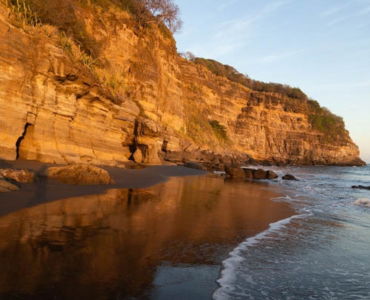
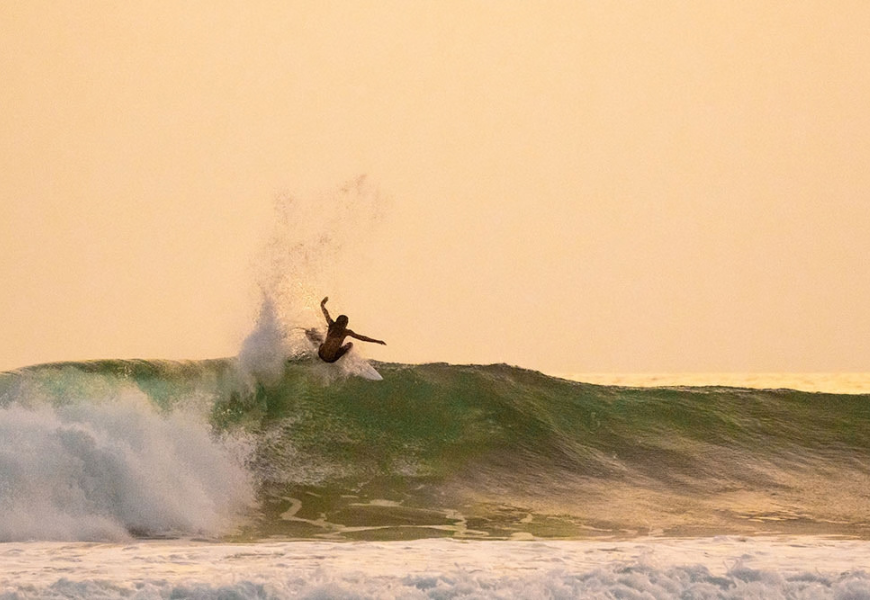
The main point is a right-hand wave breaking over a rocky bottom near the river mouth. It can produce long, fast rides and occasional hollow sections as the swell increases. The official tourism board notes that the wave can reach significant size and that the rocky shoreline and bluff require particular care during large swells.
Surfline lists the ideal swell direction as SSW to SW, with light north winds and the wave working across different tide stages. It also notes some current and moderate crowds.
For a surfer who can comfortably catch and ride unbroken waves, this is the main break to investigate.
The River-Mouth Left
On the other side of the main point, a left breaks around the river mouth. El Salvador’s tourism information describes it as a fast, long and powerful wave over a rocky bottom.
It is worth checking when the main right is crowded or when the conditions favor it.
The Beach Break
Farther along the beach is a faster beach-break section. It produces shorter rides and can have steeper or hollow sections.
This is not necessarily the first place a beginner should head, but it gives more experienced surfers another option when the conditions are suitable.
What Is Surfing Like in Front of Villa Lety?
This is one of the more useful things to understand if you are staying at Villa Lety.
The beach directly in front of the villa is primarily useful for beginner whitewater sessions rather than as the main performance wave.
For someone learning, that is convenient. You can walk from the villa to the water, practice for an hour, and be back for breakfast without having to organize transportation.
Once a beginner is ready to start working on green waves, there is a more suitable section a short walk down the beach. From Villa Lety, walk past the rock pier, approximately three houses down. Depending on the day’s conditions, this area can offer manageable unbroken waves for surfers who are progressing beyond the whitewater.
The main point is across the river, in front of The Surf Hub café.
That means staying at Villa Lety gives you access to several levels of surfing without needing to drive between breaks.
Which Part of El Zonte Is Right for Your Ability?
First-time surfers
Start with lessons and whitewater.
You do not need to paddle out to the main point on your first day. Learning to control the board, paddle efficiently, stand up consistently and understand basic wave behavior is much more important.
The beach in front of Villa Lety can be a convenient starting point, and softboards are available for guests.
Beginners who can already stand up
Once you are consistently standing and controlling the board in whitewater, you can start looking for smaller green waves.
The section a short walk from Villa Lety can provide an option when conditions are appropriate. A surf instructor can help determine when you are ready to move from whitewater into the lineup.
Intermediate surfers
If you can reliably catch unbroken waves, control your board and understand basic surf etiquette, El Zonte Point becomes an option when the size and conditions suit you.
Do not judge the break only from the beach. Watch several sets before paddling out and pay attention to where experienced surfers are positioning themselves.
Advanced surfers
Larger swells can make El Zonte considerably more demanding. The main point can become fast and powerful, with more serious consequences around the rocky sections.
If you are comfortable surfing larger point breaks, El Zonte can provide excellent conditions. If you are not, there is no reason to paddle out simply because the surf looks impressive.
When Is the Best Time to Surf El Zonte?
There are two useful ways to think about the seasons: wave size and weather.
November–April: Smaller, generally more manageable surf
The dry season generally runs from November through April. Puro Surf describes this period as having smaller swells, often around chest- to head-high, with cleaner morning conditions and lighter offshore winds. It is generally the easier window for surfers who are learning or rebuilding confidence.
That does not mean El Zonte stops working.
There can still be good surf, but the average size is generally lower than during the larger southern-swell season.
May–October: Larger and more powerful surf
From May through October, larger southern swells become more common. Puro Surf describes this as the more powerful season, while K59 Surf Hotel similarly identifies May–October as the period with the biggest and most consistent swells.
This is generally the period experienced surfers should consider if bigger surf is a priority.
The tradeoff is that conditions can be more demanding, particularly when a large swell reaches the coast.
What about March and April?
This is where a simple “best season” answer becomes misleading.
March and April can provide a useful transition between the smaller dry-season surf and the larger swells that become more common later in the year. Other surf guides also identify March–October as the broader prime swell window.
If your trip is flexible, choose dates based on the type of surf you want rather than looking for one universally “best” month.
What Kind of Swell Does El Zonte Like?
The main point responds particularly well to SSW and SW swells, with light northerly winds helping to clean up the wave faces. Surfline lists SSW/SW as the ideal swell directions for El Zonte.
For a trip several months away, however, there is little value in trying to predict the exact conditions.
Instead, use seasonal patterns to choose your dates and start watching the forecast as your trip gets closer.
Once you are in El Zonte, local knowledge becomes much more useful. Conditions can change considerably between the different sections of the beach.
Surf Lessons and Boards
If you are new to surfing, taking a lesson is worth the investment.
A good instructor should help you understand more than just the mechanics of standing up. Positioning, wave selection, currents, surf etiquette and knowing when not to paddle out are all important parts of learning.
Villa Lety can arrange surf lessons and softboard rentals for guests.
For beginners, a softboard is generally the sensible choice. If you are an experienced surfer with a preferred board, bringing your own equipment may make more sense, particularly if you are traveling specifically for larger surf.
Surf Safety in El Zonte
El Zonte can be friendly at smaller sizes and serious at larger ones.
The main point has a rocky bottom and shoreline, and the official tourism information specifically cautions that the area around the bluff requires respect during large swells.
There is also current around the point, and river runoff can affect water quality after heavy rain. Surfline specifically notes river runoff as a consideration.
Before paddling out:
-
Watch several sets before entering.
-
Check where the current is moving.
-
Ask locally about unfamiliar conditions.
-
Stay within your ability.
-
Keep control of your board.
-
Give other surfers enough space.
-
Follow normal right-of-way rules.
-
Do not paddle out simply because everyone else is surfing.
If conditions are beyond your ability, wait for a smaller window.
There will be another session.
Surf Etiquette
El Zonte is a well-known surf destination, so you should expect other surfers in the water. Surfline currently describes the crowd level as moderate.
Basic etiquette goes a long way:
Do not drop in. If another surfer has priority and is already riding the wave, do not take off in front of them.
Look before paddling out. Avoid paddling directly through someone’s line when there is a safer route around.
Know your limits. Losing control of your board becomes a bigger problem as the surf gets larger.
Give beginners space. If you are an experienced surfer, remember that not everyone in the water has your level of control.
The goal is to leave the lineup better than you found it.
How Many Times Should You Surf Each Day?
For beginners, one or two sessions a day is plenty.
Surfing is physically demanding, and tropical heat adds to the fatigue. A common mistake is spending too much time in the water on the first day, getting exhausted, and then struggling through the rest of the trip.
A better approach is to surf when the conditions are good and rest when they are not.
Staying at Villa Lety makes this particularly easy. You can surf early, come back for breakfast, rest during the heat of the day, and check the waves again later.
You do not need to commit to one long session.
What to Bring
For most surf trips to El Zonte, you do not need an extensive equipment list.
Bring:
-
Surfboard and leash if you are bringing your own
-
Reef-conscious sunscreen
-
Rash guard
-
Swimwear
-
Sunglasses
-
Hat
-
Reusable water bottle
-
Comfortable shoes for walking and exploring
The water is warm year-round, so a wetsuit is generally unnecessary.
If you are flying in and do not want to travel with a board, local rentals and lessons are available.
What If the Waves Are Bad?
Do not plan a surf trip to El Zonte as though every day will produce perfect waves.
Instead, build some flexibility into your itinerary.
The surrounding area offers plenty to do when the surf is small or conditions are unsuitable. You can take an ATV tour into the mountains, visit a coffee plantation, hike to the Tamanique waterfalls, or make a longer trip to Santa Ana Volcano and Lake Coatepeque.
You can also simply take the day off.
A massage after surfing or hiking is a good recovery option, and El Zonte has enough restaurants and places to relax that you do not need to leave town every time the ocean is quiet.
Surfing Beyond El Zonte
If you are staying for a week or longer, it is worth exploring some of the other breaks along El Salvador’s Pacific coast.
K59 is west of El Zonte and is a powerful right-hand point break. The official tourism site describes it as a fast wave with long lines and barrel sections, and specifically notes that its rocky bottom and powerful waves make it unsuitable for beginners.
El Sunzal, farther east, is another major surf destination and is known for its long right-hand point. Puro Surf describes its inside section as more approachable while the middle and outside sections become progressively more demanding.
Punta Roca, near La Libertad, is one of the country’s most famous waves and is aimed at experienced surfers when the main point is working.
If you are unfamiliar with the coast, ask locally before choosing a new break rather than relying only on a map.
Why Stay at Villa Lety for a Surf Trip?
For a surf-focused stay, proximity to the water is the obvious advantage.
At Villa Lety, you can check the waves from the property, walk directly to the beach, and return without arranging transportation for every session.
But the services matter too.
Villa Lety provides chef service from 7 a.m. to 8 p.m. at no additional cost, along with grocery pickup, housekeeping, concierge assistance, laundry, airport transportation, private drivers, massage, surf lessons and softboard rentals.
For a surf group, that removes a lot of logistics.
You can arrange a lesson, get a board, surf in the morning, come back for breakfast, rest, and head out again later. If some people in your group do not surf, they can spend the day at the villa, explore El Zonte, book a massage, or join another activity.
The villa does not need to be the reason you choose El Zonte.
The surf can be the reason.
The convenience is what makes the stay easier.
Planning Your El Zonte Surf Trip
If surfing is your main priority, the simplest approach is:
1. Choose your season based on your ability.
Beginners may prefer the smaller, generally more manageable conditions of the dry season. Experienced surfers looking for larger swells should consider the May–October period.
2. Choose accommodation close to the water.
Being able to check the surf and walk to the beach gives you much more flexibility.
3. Arrange lessons if you need them.
Do not wait until you arrive to figure out how you will learn.
4. Leave your schedule flexible.
The best session of the trip may not happen at the time you expected.
5. Check conditions locally.
Forecasts are useful, but local knowledge helps you understand which section is actually working.
6. Plan at least a few non-surf activities.
You may get flat days, or you may simply need a rest day.
7. Respect the ocean.
El Zonte can be approachable at smaller sizes and serious at larger ones. Surf within your ability.
The Bottom Line
El Zonte offers several different surf experiences within a small area.
Beginners can start in the whitewater and progress toward smaller green waves. Intermediate surfers can explore the point when conditions suit their ability. Advanced surfers can target the main break during larger swells.
The main point favors SSW and SW swell and can become powerful as the size increases. The dry season generally brings smaller, cleaner conditions, while the May–October period is more likely to deliver the larger southern swells that experienced surfers seek.
For a surf trip, the most important thing is not finding one “perfect” month or one “best” wave.
It is matching the conditions to your ability, knowing where to surf, and giving yourself enough time to wait for the right session.
And if you stay at Villa Lety, you can do that without having to build your entire vacation around surf logistics.